After 10 years of insurtech, which models have truly proven themselves?
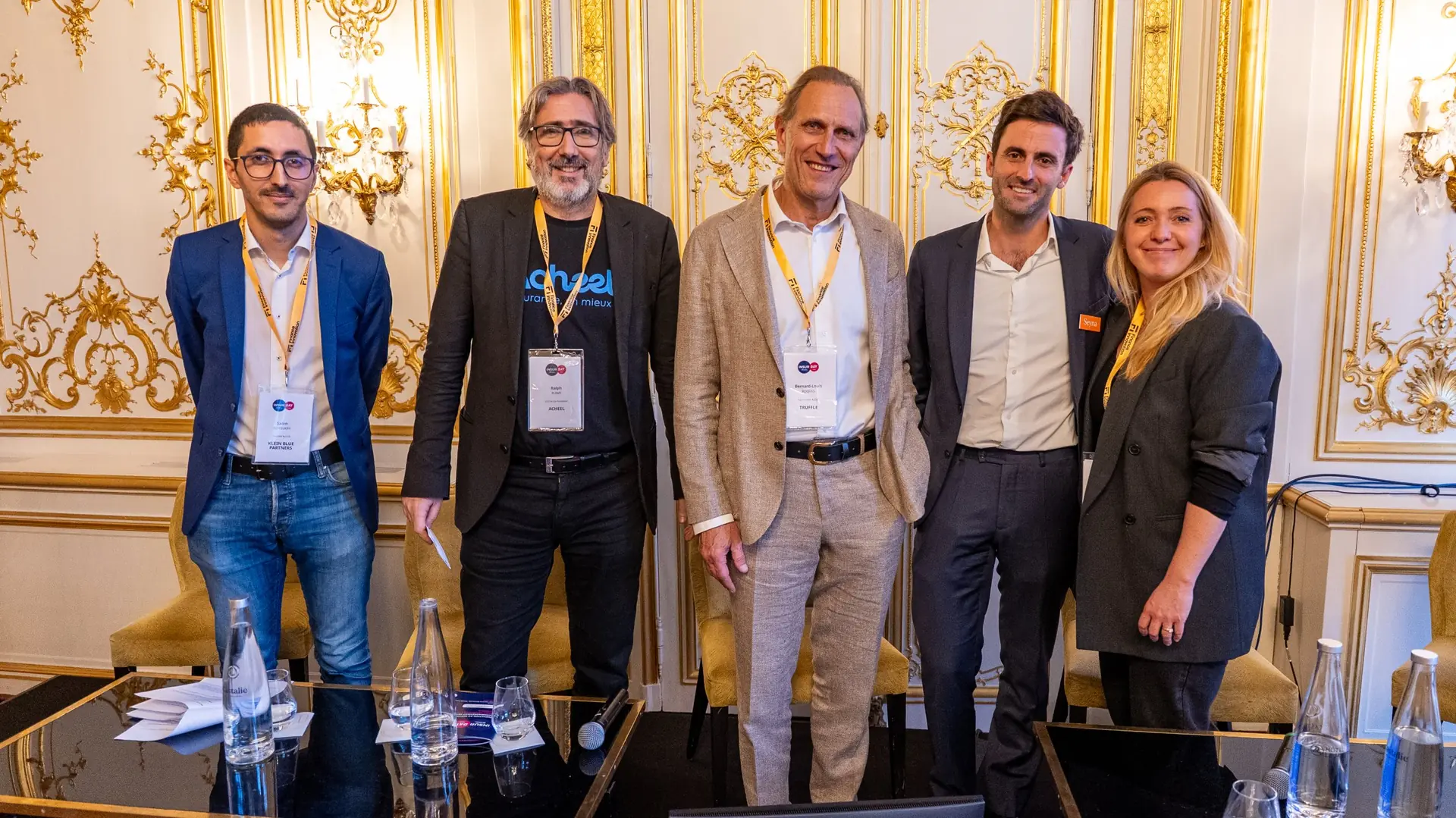
Here is the assessment I shared at Insurday, on the panel "Insurtech: a decade in review".

After 10 years of insurtech, which models have truly proven themselves?
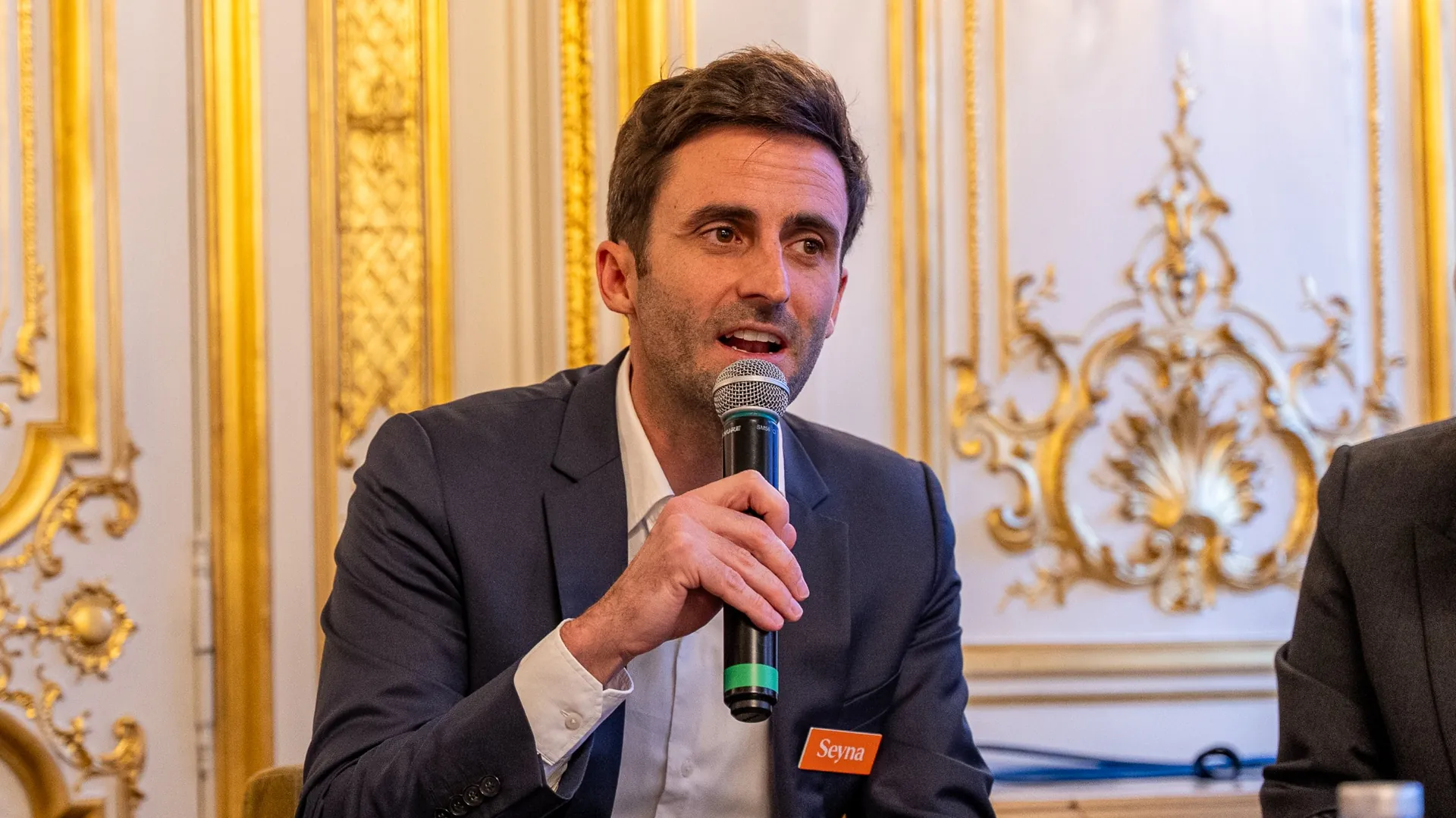
Here is the assessment I shared at Insurday, on the panel "Insurtech: a decade in review".
𝗪𝗵𝗮𝘁 𝗺𝗮𝗱𝗲 𝘁𝗵𝗲 𝗱𝗶𝗳𝗳𝗲𝗿𝗲𝗻𝗰𝗲
The players that last have insurance in their DNA: tech teams working hand in hand with insurance experts, and a constant focus on the portfolio's underwriting profitability.
We see it among our broker and MGA clients. Those led by experienced insurance professionals broke through. The others eventually had to catch up on the technical side.
The upshot: distribution power is not enough. Technical balance matters just as much.
𝗚𝗼𝗶𝗻𝗴 𝗶𝗻𝘁𝗲𝗿𝗻𝗮𝘁𝗶𝗼𝗻𝗮𝗹: 𝘃𝗲𝗿𝘆 𝗳𝗲𝘄 𝘀𝘂𝗰𝗰𝗲𝘀𝘀 𝘀𝘁𝗼𝗿𝗶𝗲𝘀
Insurance remains a local business: go-to-market, actuarial, legal.
What can be centralised is technology. That is our choice at Seyna: technology built from a blank sheet, free of traditional insurers' legacy, that makes brokers more efficient.
On top of that, we combine our expertise with the broker's, because they know their target market best.
The result? 130 products currently live across 6 European countries.
𝟮𝟬𝟯𝟬: 𝗔𝗜 𝗿𝗲𝘀𝗵𝘂𝗳𝗳𝗹𝗲𝘀 𝘁𝗵𝗲 𝗱𝗲𝗰𝗸
AI is the biggest technological shift of our generation. Bigger than the internet.
By 2030, the models that have moved to AI will have won:
- lower costs
- hence lower prices
- better quality and service
Teams starting out today will build companies as large as established players, with around ten employees rather than 200, plus AI agents.
But one promise must hold: underwriting profitability.
That is our guiding principle at Seyna: move very fast, with big ambitions, but with no compromise on robustness and control.